 Español
 English

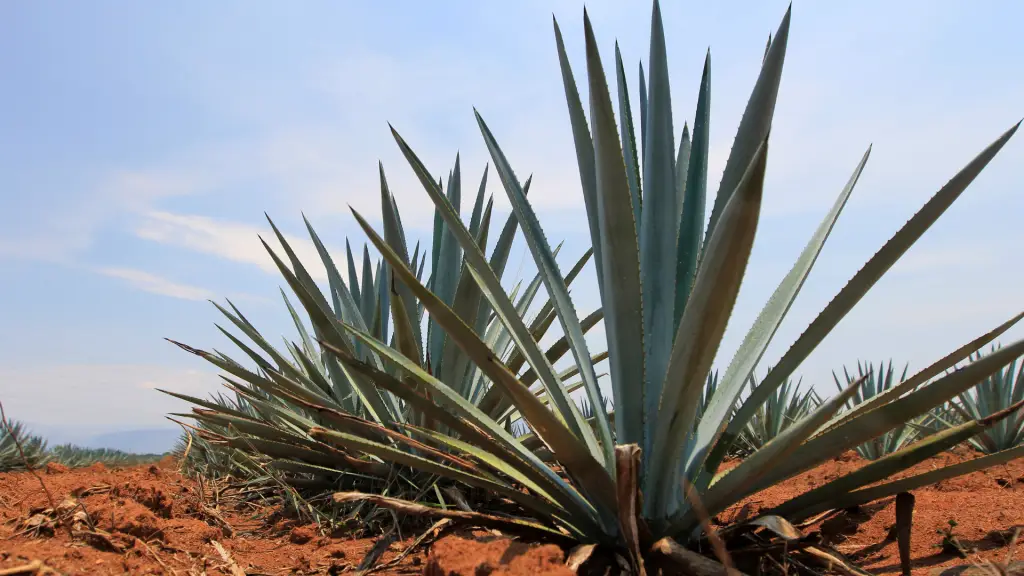

The history of tequila is deeply intertwined with the agave plant, a sacred symbol for ancient Mexican civilizations, and with the region of Jalisco, the birthplace of this globally beloved beverage. Join us on a journey through the origins, evolution, and global influence of one of Mexico’s most iconic drinks.
Pulque and Pre-Hispanic Cultures
Long before tequila existed as we know it today, pre-Hispanic cultures in Mexico had already discovered how to harness the power of agave. These ancient civilizations, like the Aztecs, made a fermented drink called pulque, extracted from the heart of the agave plant.
While pulque is not the same as tequila, it laid the groundwork for the utilization of agave in alcoholic beverages.
Agave held deep symbolic meaning for ancient Mexicans, who saw it as a divine gift. The goddess Mayahuel, the deity of agave, was worshiped as a source of life, highlighting the plant’s importance in cultural and religious practices.
The Arrival of the Spaniards and the Birth of Tequila
The history of tequila as we know it began with the arrival of Spanish conquistadors in the 16th century. Accustomed to drinks like wine and brandy, the Spaniards experimented with distilling fermented agave juice, creating a stronger, more concentrated beverage. This early version of tequila was known as vino mezcal.
It was in the region of Jalisco, particularly in the town of Tequila, where this distilled beverage was refined. By the 17th century, several families in the area began to formally produce this spirit, laying the foundation for what would become modern-day tequila.
The First Distilleries
Tequila’s evolution into an industry began in the 18th century with the establishment of the first distilleries. A key moment in the history of tequila occurred in 1758 when King Carlos IV of Spain granted José Antonio de Cuervo the first license to produce and sell tequila. This marked the beginning of the tequila industry as we know it today.
Over time, other families, like the Sauzas, entered the business, further cementing tequila production and establishing quality standards that still exist today.
Tequila’s Growth in the 20th Century
Throughout much of the 19th century, tequila remained a regional beverage, primarily consumed in Mexico. However, in the 20th century, tequila began gaining popularity beyond Mexico’s borders. The Mexican Revolution and the rise of national pride played a crucial role in expanding the drink’s reach, turning tequila into a symbol of resistance and cultural identity.
As the industry grew, regulations were put in place to ensure the authenticity of tequila. In 1974, the Mexican government granted the Denomination of Origin Tequila (DOT), meaning only beverages produced in specific regions of Mexico, following strict processes, can be called tequila. This protected the tradition and quality of the drink, solidifying its reputation on the global market.
The Internationalization of Tequila
Today, tequila is one of the world’s most popular spirits, cherished for its versatility and unique flavor. It has evolved from a simple liquor into a gourmet beverage, with premium varieties competing with the finest whiskies and cognacs.
The history of tequila continues to evolve as demand grows for more artisanal and authentic options, such as additive-free tequila, which celebrates the pure flavor of agave and traditional production methods.
Have you experienced the TAU culture yet?
